
As more and more people embrace the joys of brewing coffee at home, the options for home coffee setups have expanded significantly. From manual pour-overs to high-tech espresso machines, there’s a world of coffee gear out there to help you achieve that perfect cup. But with so many choices, how do you decide what’s right for you? In this comprehensive guide, we’ll explore the different types of brewing equipment, discuss essential accessories, and offer tips for selecting the perfect setup for your home coffee brewing needs. So, let’s dive into the world of home coffee gear and get started on your journey towards coffee nirvana.
Types of Coffee Brewing Equipment
1. Drip Coffee Makers
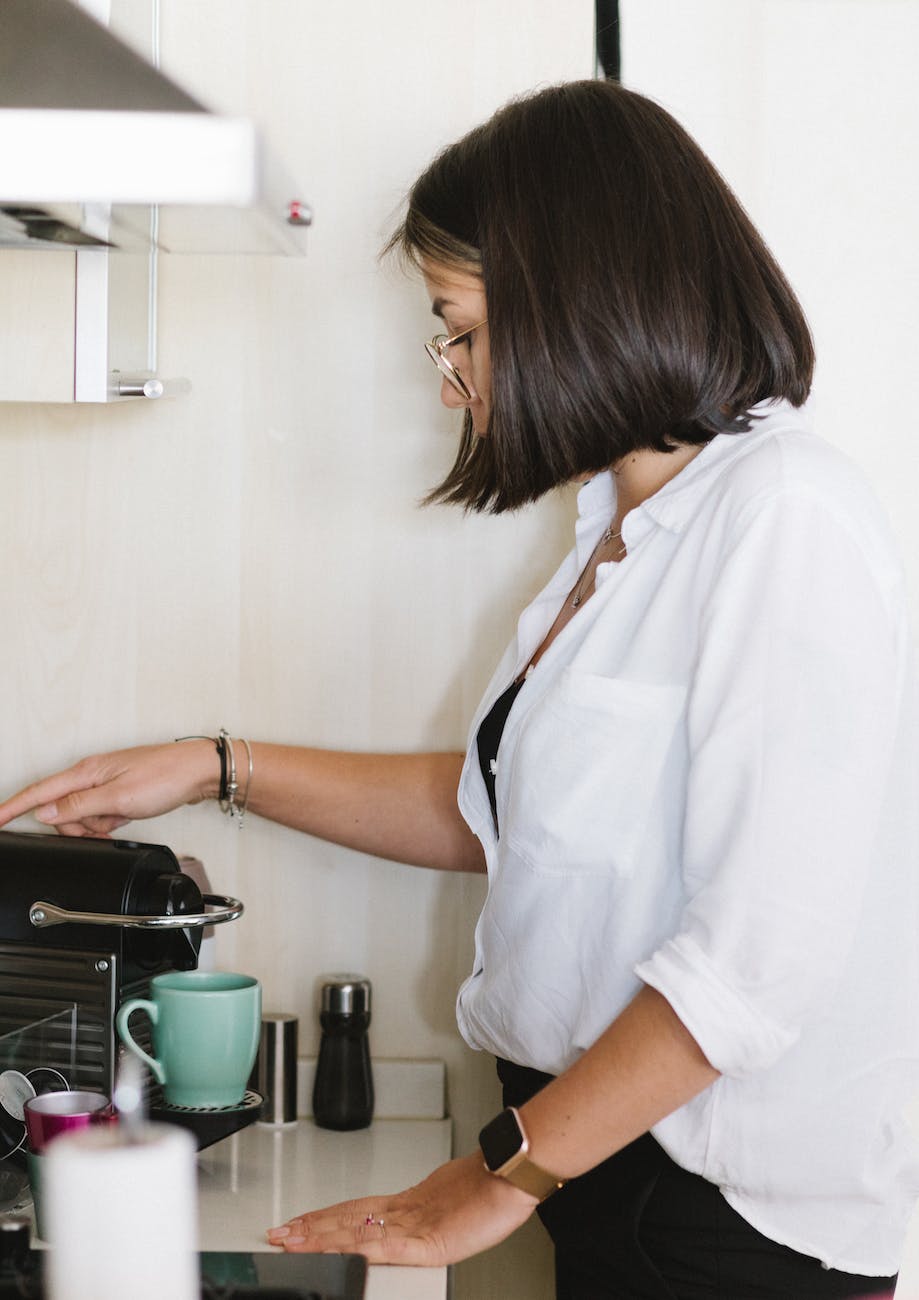
Drip coffee makers are the most common type of coffee brewing equipment found in homes, offices, and hotel rooms. These machines are straightforward and easy to use, making them a popular choice for everyday coffee drinkers. The brewing process involves heating water, which then drips through a basket filled with ground coffee and a paper or reusable filter, ultimately creating your cup of coffee.
Pros:
– Easy to use and maintain
– Can brew multiple cups at once
– Consistent results
Cons:
– Limited control over brewing variables
– Can be difficult to achieve optimal extraction
2. Pour-Over Brewers
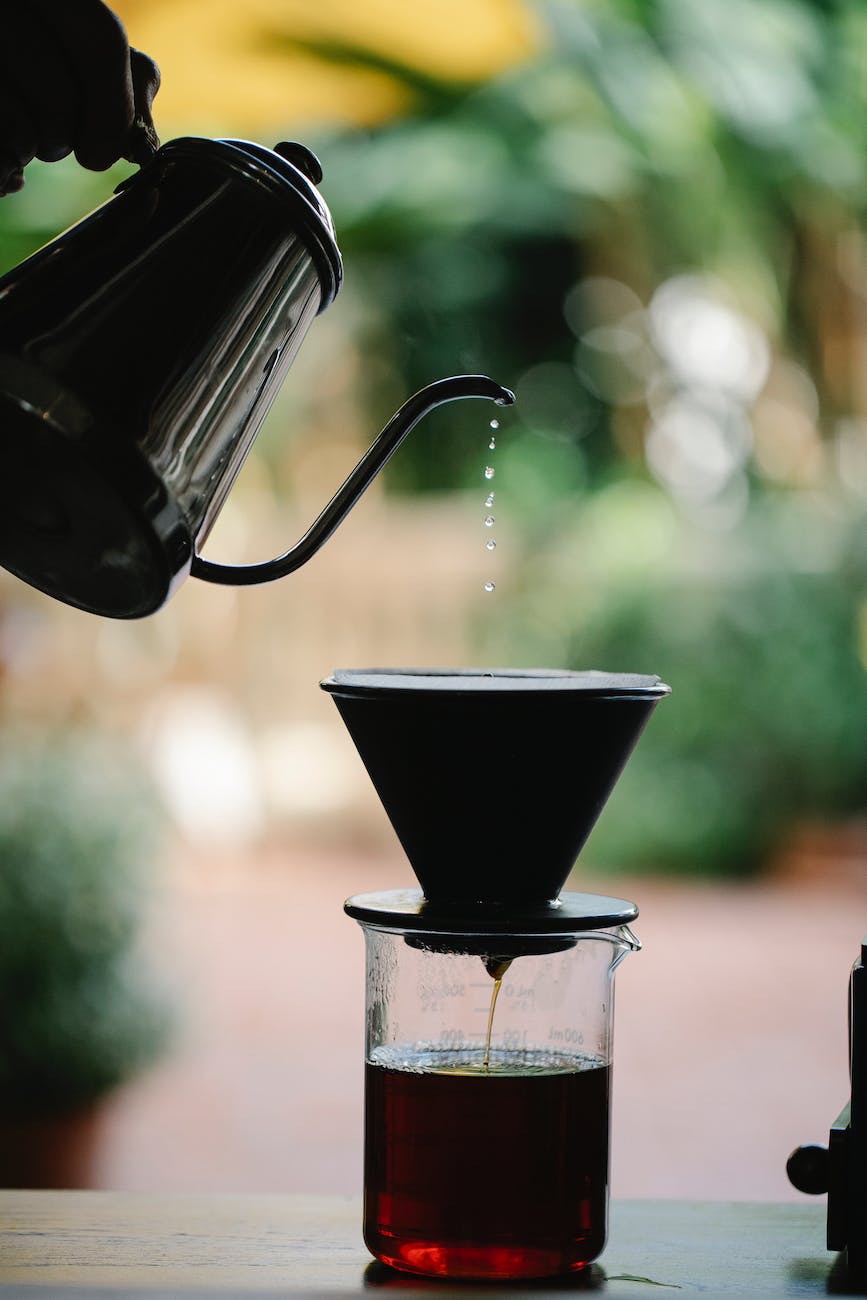
Pour-over brewing involves manually pouring hot water over coffee grounds in a paper or metal filter, allowing the water to pass through the grounds and extract the coffee flavors. Popular pour-over methods include the Hario V60, Chemex, and Kalita Wave. Pour-over brewing offers more control over variables like water temperature and brewing time, resulting in a more nuanced and flavorful cup.
Pros:
– Greater control over brewing variables
– Relatively affordable
– Can produce a more complex and nuanced cup
Cons:
– Requires more skill and attention than drip coffee makers
– Slower brewing process
3. French Press
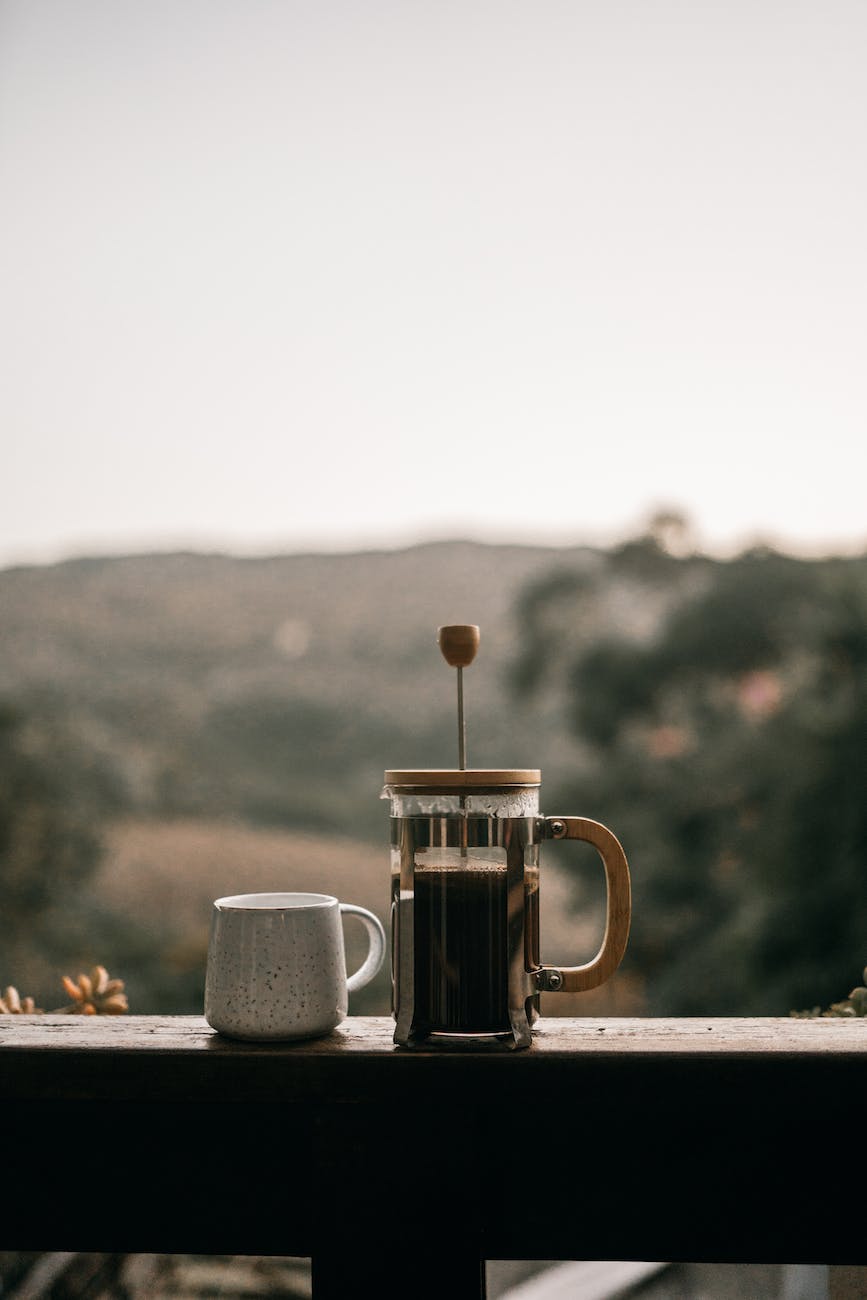
The French press, or press pot, is a manual brewing method that involves steeping coarsely ground coffee in hot water for several minutes before pressing a plunger with a metal filter through the liquid, separating the grounds from the brewed coffee. The French press produces a full-bodied and rich cup, with a heavier mouthfeel than pour-over or drip coffee.
Pros:
– Easy to use
– Produces a rich and full-bodied cup
– No disposable filters required
Cons:
– Can be difficult to achieve a clean cup (may have some sediment)
– Limited control over brewing variables
4. Espresso Machines
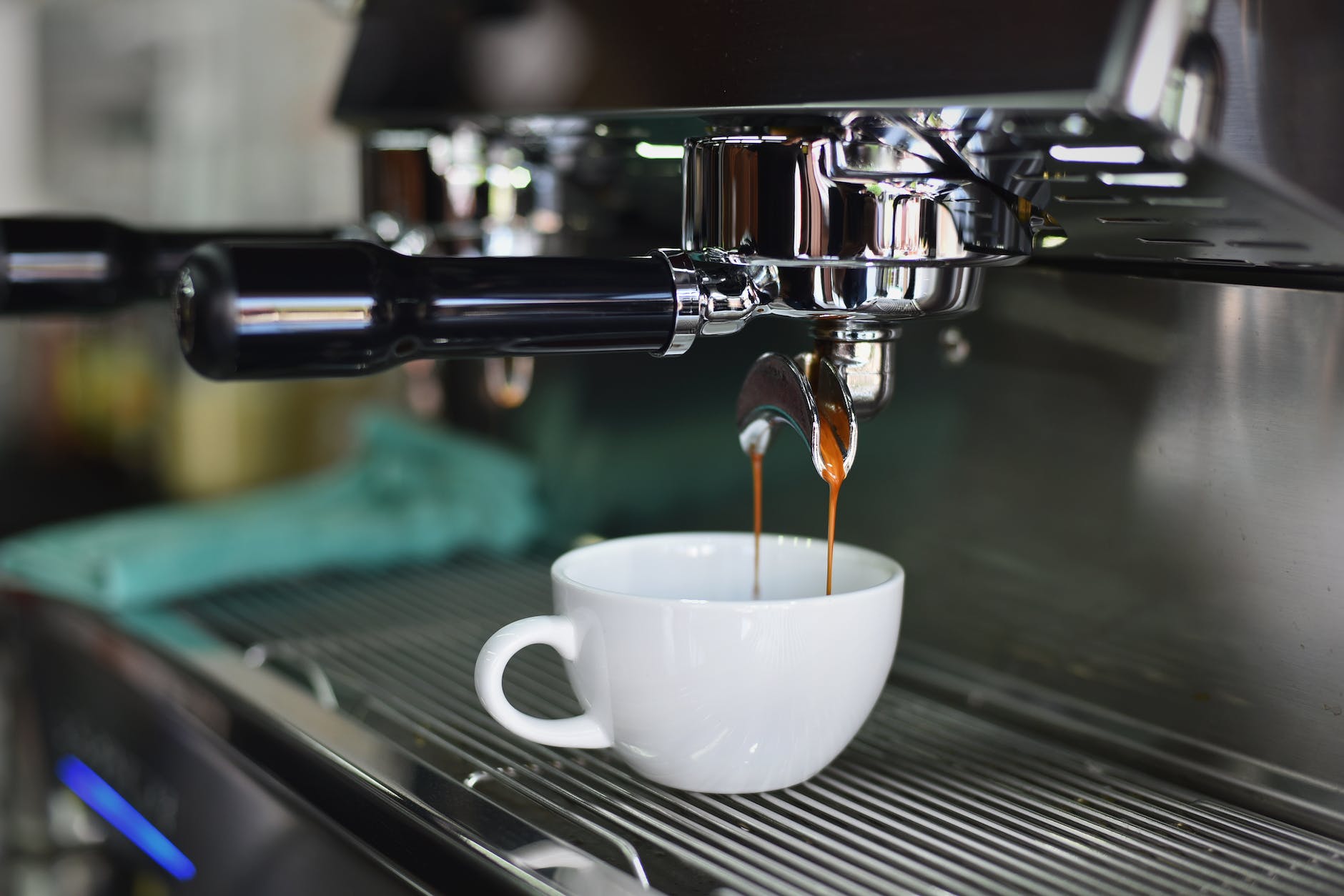
Espresso machines force hot water through finely ground coffee at high pressure, creating a concentrated, rich, and bold coffee known as espresso. There are various types of espresso machines, from manual lever machines to semi-automatic and fully automatic machines. While espresso machines can be expensive and require more skill and maintenance, they allow you to create a wide range of coffee drinks, from straight espresso shots to lattes and cappuccinos.
Pros:
– Can create a wide range of coffee drinks
– Greater control over brewing variables
– Can produce a rich and complex cup
Cons:
– Can be expensive
– Requires more skill and maintenance
Essential Coffee Accessories
1. Coffee Grinder
A quality coffee grinder is essential for any home coffee setup, as freshly ground coffee is key to achieving the best flavor. There are two main types of coffee grinders: blade grinders and burr grinders. Burr grinders are generally recommended, as they provide a more consistent and even grind size, which is crucial for optimal extraction.

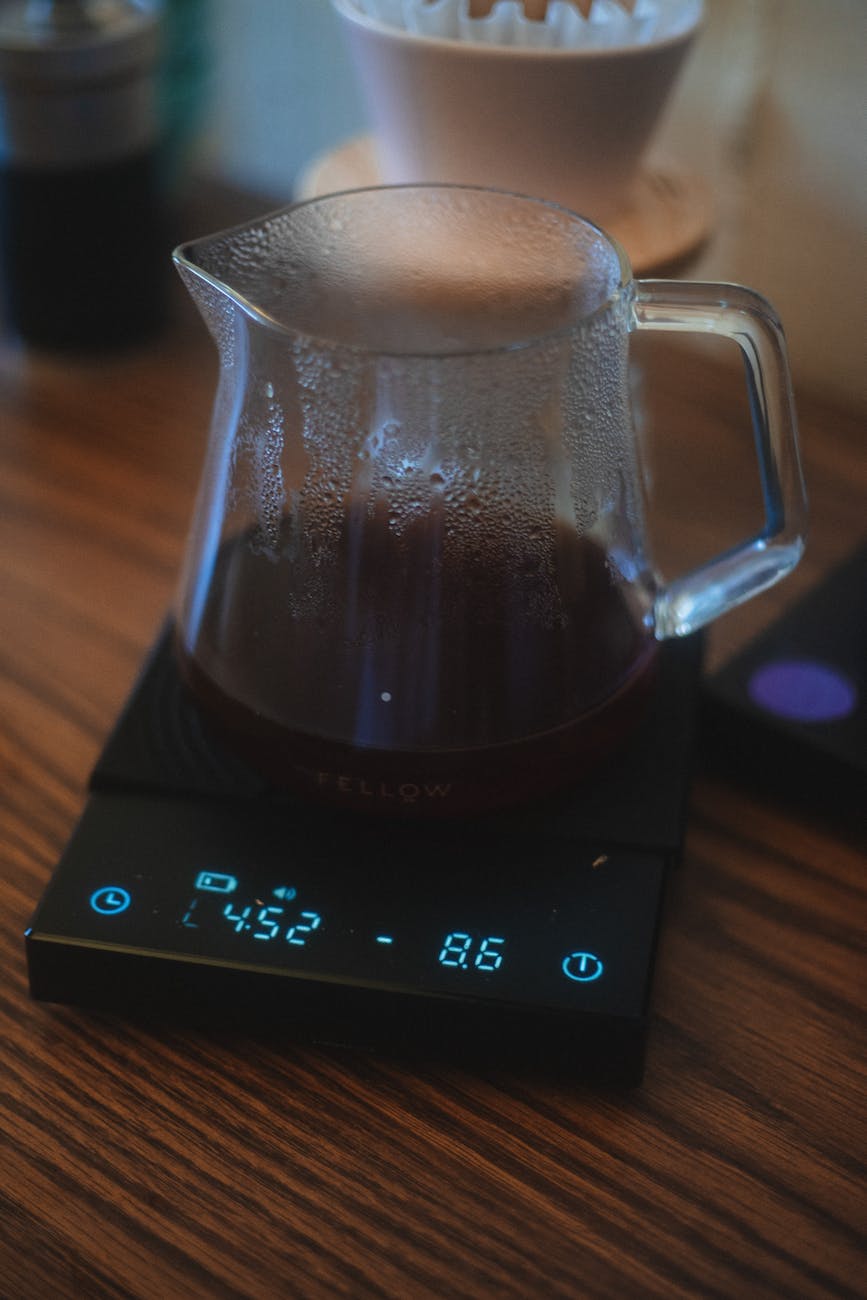
2. Scale
A digital scale is an invaluable tool for accurately measuring coffee and water, ensuring consistent results and helping you fine-tune your brewing process.
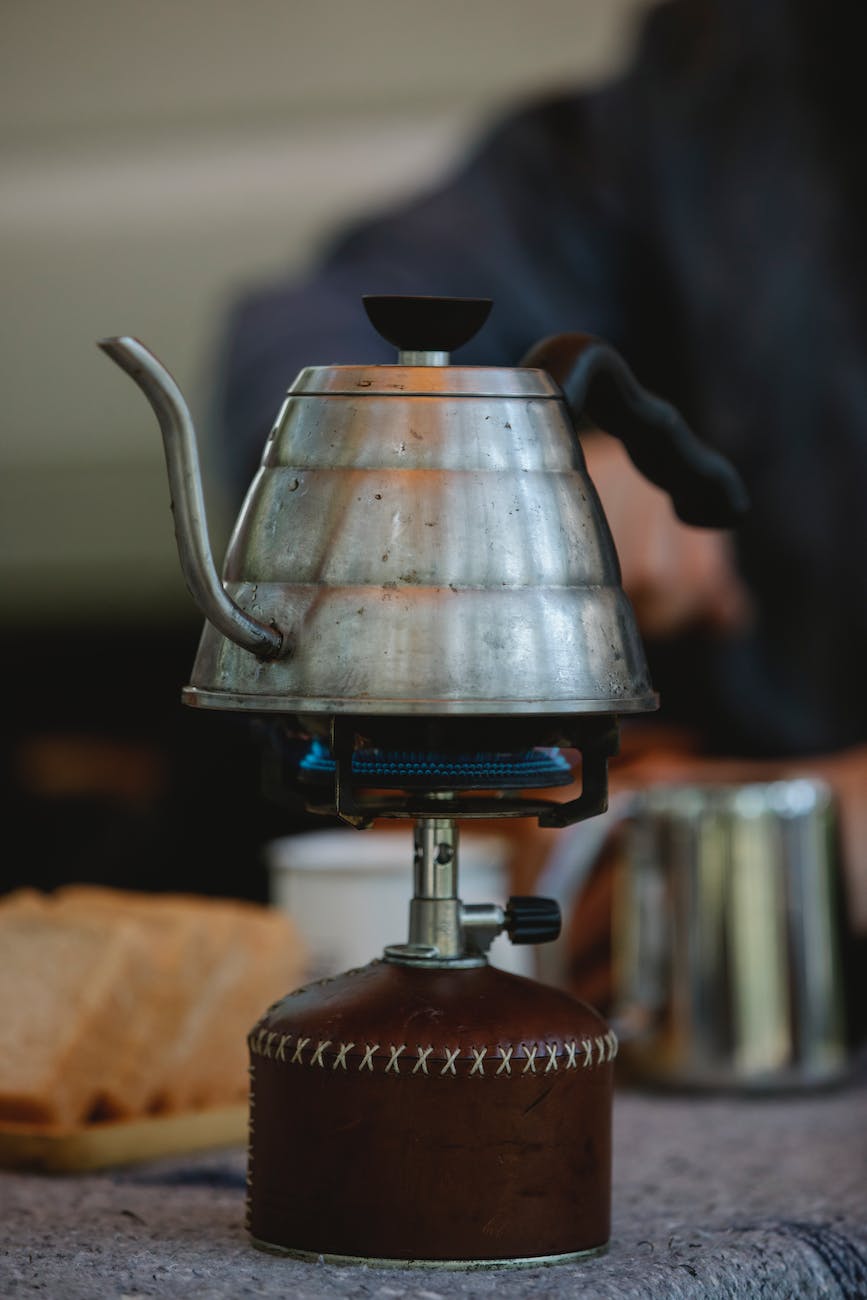
3. Gooseneck Kettle
A gooseneck kettle, with its long and narrow spout, provides better control over water flow and direction when pouring, making it an essential tool for pour-over brewing. Some kettles also include built-in thermometers or temperature control features, allowing for precise water temperature management.
4. Coffee Container
Proper coffee storage is key to preserving the freshness and flavor of your beans. Invest in an airtight, opaque container that will keep your coffee away from light, air, and moisture. Some coffee enthusiasts also opt for vacuum-sealed or specialty containers with one-way valves to preserve freshness even further.
5. Filters
Depending on your brewing method, you may need paper or reusable filters. Make sure to keep a supply of the appropriate filters for your chosen brewing equipment, and always rinse paper filters before use to eliminate any potential paper taste.
6. Cleaning Supplies
Maintaining clean brewing equipment is essential for optimal coffee flavor and the longevity of your gear. Make sure you have cleaning supplies like brushes, descaling solutions, and machine-specific cleaning tablets or powders as needed.
Tips for Choosing the Perfect Home Coffee Setup
1. Consider Your Taste Preferences
Do you prefer a rich, full-bodied cup, or a lighter, more nuanced brew? Different brewing methods and equipment will yield different results, so consider your taste preferences when selecting your home coffee setup.
2. Assess Your Skill Level
Some brewing methods, like pour-over and espresso, require more skill and attention to detail than others. Be honest about your skill level and willingness to learn when selecting your coffee gear.
3. Budget
Coffee equipment can range from relatively affordable to very expensive, depending on the type and quality. Set a budget for your home coffee setup and choose equipment and accessories accordingly.
4. Space Constraints
Consider the amount of space you have available for your coffee gear. Some equipment, like espresso machines or large drip coffee makers, can take up a significant amount of counter space.
5. Frequency of Use
How often do you plan to brew coffee at home? If you’re an occasional coffee drinker, investing in expensive equipment may not be worthwhile. On the other hand, if you plan to brew coffee daily, it might be worth investing in higher-quality gear that will enhance your coffee experience.
The Last Drop
Building the perfect home coffee setup can seem overwhelming, but by considering your taste preferences, skill level, budget, and available space, you can create a personalized coffee brewing station that’s perfect for you. Remember, the most important part of any home coffee setup is the coffee itself, so be sure to source high-quality beans and keep them fresh. And don’t forget to subscribe to the Broo Croo blog for more coffee-related tips and insights, and follow @broo_croo on Instagram to stay up to date with our latest coffee adventures. Happy brewing!
 Broo Croo
Leave a comment